
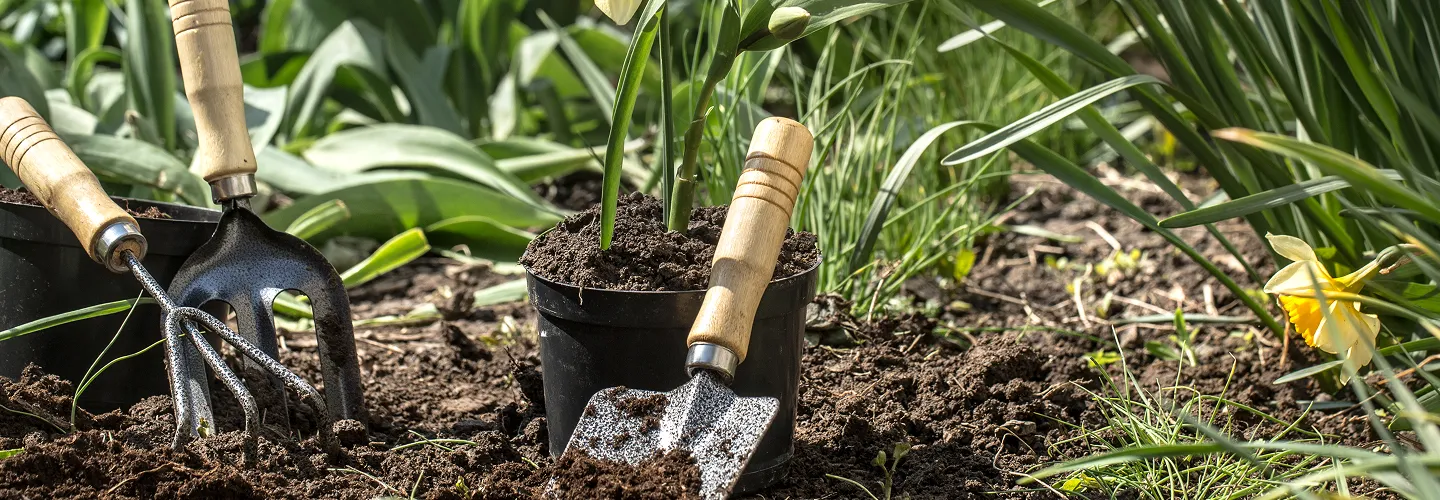
Salisbury Weeding Services
Choose our expert weeding services for a healthier, more vibrant garden—our experienced team ensures thorough weed removal, promoting stronger plants and lasting curb appeal.
Get a Free QuoteOur Salisbury Landscaping & Yard Care Services
When to Schedule Weeding in Salisbury, Connecticut – Seasonal Guide
In Salisbury, Connecticut, the best times to schedule weeding are closely tied to our unique climate and landscape. Early spring, just after the last frost, is ideal for tackling emerging weeds before they establish deep roots. Late summer and early fall are also effective periods, as cooler temperatures and increased rainfall make it easier to remove weeds and prepare your garden for the next growing season. Neighborhoods near Lakeville Lake and the shaded properties along Salmon Kill Road often experience different weeding challenges due to varying soil moisture and shade coverage.
Local environmental factors play a significant role in determining the optimal weeding schedule. Salisbury’s well-drained, rocky soils, combined with periods of high humidity and occasional drought, can influence weed growth patterns. Homeowners should also consider municipal guidelines and local resources, such as those provided by Sudbury’s municipal website, for up-to-date information on landscaping best practices.
Local Factors to Consider for Weeding in Salisbury
- Proximity to wooded areas and tree density (e.g., homes near Mount Riga)
- Soil type and drainage, especially in low-lying neighborhoods
- Annual precipitation and risk of summer drought
- Shade coverage from mature trees and historic stone walls
- Timing of last spring frost and first autumn frost
- Municipal restrictions or recommendations on herbicide use
Benefits of Weeding in Salisbury

Professional Landscaping Expertise
Enhanced Curb Appeal
Weed-Free Lawns and Gardens
Eco-Friendly Weed Control
Time and Effort Savings
Reliable Local Service
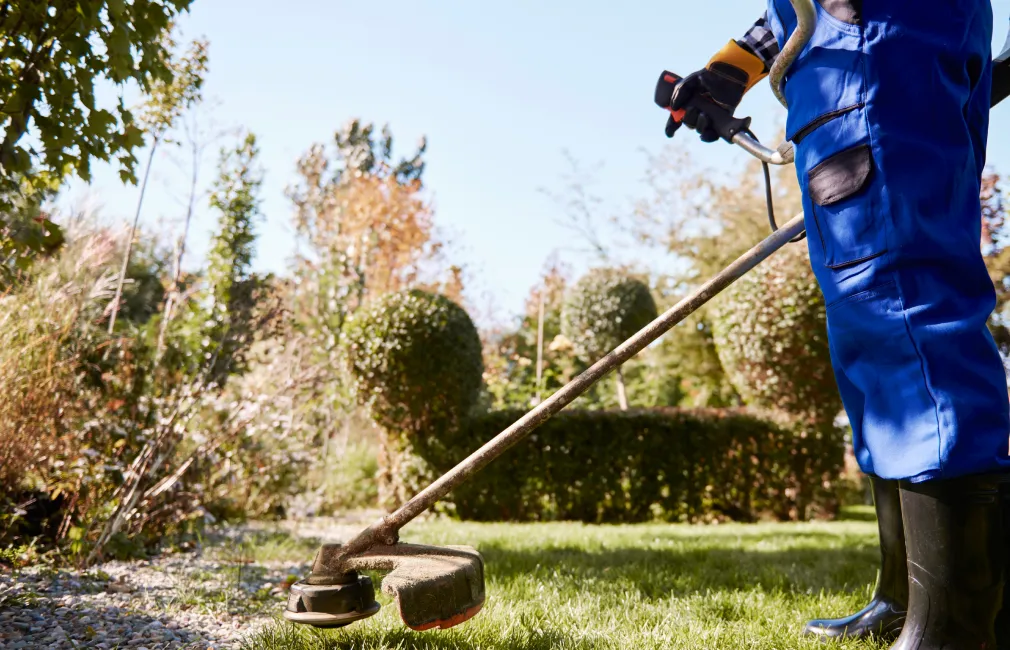
Salisbury Weeding Types

Hand Weeding
-
Mechanical Weeding
-
Chemical Weed Control
-
Mulching for Weed Suppression
-
Flame Weeding
-
Organic Weed Management
-
Pre-emergent Weed Control
Our Weeding Process
Site Evaluation
Weed Identification
Targeted Removal
Soil Treatment
Final Inspection
Why Choose Salisbury Landscape Services

-
Salisbury Homeowners Trust Us
-
Expert Lawn Maintenance
-
Reliable Seasonal Cleanups
-
Competitive Pricing
-
Professional Team
-
Satisfaction Guarantee
-
Personalized Service
Salisbury’s Glacial Till Soils: Implications for Effective Weeding Practices
Weeding in Salisbury, CT requires careful consideration of the region’s predominant glacial till soils, which are typically classified as Inceptisols and Ultisols according to the USDA Web Soil Survey. These soils are often rocky, moderately acidic (pH 5.5–6.5), and can exhibit poor drainage, especially in low-lying areas. Effective weed removal should include:
- Soil testing (available through UConn Extension; typical cost $15–25)
- Use of deep-tined hand tools to penetrate stony layers
- Compost incorporation (2–3 inches tilled to 6-inch depth) to improve structure
- Lime application if pH is below 6.0
Understanding these local soil characteristics is essential for sustainable weed management and for selecting appropriate plant species for replanting after weeding.
Municipal Weeding Ordinances and Disposal Protocols in Salisbury
Salisbury enforces specific ordinances regarding yard maintenance and debris disposal. Weeding debris, including invasive species, must be disposed of according to municipal guidelines. Yard waste collection typically occurs weekly on Thursdays from April through November. Accepted materials include leaves, grass, and brush under 4 feet in length, placed in biodegradable bags or reusable bins (32-gallon max). Prohibited items include plastic bags and branches over 4 inches in diameter. Equipment operation for weeding is permitted:
- Monday–Friday: 7:00 AM – 7:00 PM
- Saturday: 8:00 AM – 6:00 PM
- Sunday and holidays: Prohibited
For questions on compliance or collection schedules:
Salisbury CT Highway Department
27 Main Street, Salisbury, CT 06068
Phone: (860) 435-5185
Official Website: Salisbury CT Highway Department
Environmental Compliance: Wetland Buffers and Stormwater Protection in Salisbury
Weeding activities near Salisbury’s wetlands, streams, and Lake Wononscopomuc must comply with both local and state environmental regulations. A 25-foot no-disturbance buffer is typically required from the edge of wetlands, and all debris must be kept out of storm drains to comply with the town’s MS4 permit under the Clean Water Act. The Connecticut Environmental Protection Act further restricts the use of herbicides and mandates that no fertilizer or chemical application occur within 50 feet of water bodies. For guidance on sensitive area compliance:
Salisbury CT Conservation Commission
27 Main Street, Salisbury, CT 06068
Phone: (860) 435-5170
Official Website: Salisbury CT Conservation Commission
Statewide stormwater and wetland protection is overseen by:
Connecticut Department of Energy and Environmental Protection
79 Elm Street, Hartford, CT 06106
Official Website: Connecticut Department of Energy and Environmental Protection
Seasonal Timing and Weather Considerations for Weeding in Salisbury
Salisbury is located in USDA Hardiness Zone 5b–6a, with a typical growing season from late April to mid-October. Optimal weeding windows are:
- Spring: April 15 – May 30 (soil temp 50–65°F)
- Fall: August 20 – September 30 (before first frost, typically late October)
Avoid weeding during June–August, when heat and drought stress can hinder regrowth of desirable plants. Monitor local weather forecasts through the National Weather Service Albany Office to plan around rainfall and soil moisture conditions. Timely weeding reduces seed set and prevents spread of invasive species, especially in conservation areas and near water bodies.
Professional Standards and Safety Protocols for Weeding Operations in Salisbury
All weeding operations in Salisbury must adhere to municipal safety and equipment standards. Operators are required to use:
- Eye protection: ANSI Z87.1 safety glasses
- Hearing protection: Earmuffs or plugs for 85+ dB noise
- Gloves: Cut-resistant for hand weeding, chemical-resistant for herbicide application
- Footwear: Steel-toed boots with non-slip soles
Maintain a 15-foot clearance from overhead power lines and avoid equipment operation outside permitted hours. Herbicide use must comply with state pesticide regulations; only licensed applicators may apply restricted-use products. For questions on safety or code enforcement:
Salisbury CT Building Department
27 Main Street, Salisbury, CT 06068
Phone: (860) 435-5190
Official Website: Salisbury CT Building Department
What Neighborhoods Do We Serve Throughout Salisbury, CT?
- Lakeville: Features moderately drained glacial till soils and proximity to Lake Wononscopomuc, requiring strict buffer compliance and careful debris management.
- Salisbury Center: Historic district with compacted urban soils and mature landscaping; narrow streets may limit equipment access for large-scale weeding.
- Taconic: Rural area with larger lots, heavy tree cover, and frequent wetland adjacency, necessitating attention to wetland buffer zones and invasive species control.
- Lime Rock: Known for rocky soils and sloped terrain, presenting challenges for mechanical weeding and requiring erosion control measures.
- Falls Village: Contains both residential and agricultural properties, with variable drainage and periodic flooding, making timing and debris disposal critical.
- Twin Lakes: Lakeside properties with sandy soils and high water tables, requiring special care to prevent runoff and protect water quality.
- Weatogue: Wooded area with dense undergrowth and conservation lands, where invasive species management and compliance with conservation easements are priorities.